Fishing is free from the garden at Moonriver, our riverside cottage at Martham on the River Thurne. Bream, roach, rudd, pike, perch and tench all feed right outside, and there is peace and quiet with no road noise whatsoever. This guide shares what we and our guests have learnt about fishing here, from baits and float rigs to slack water and night fishing.
Fishing from the garden at Moonriver
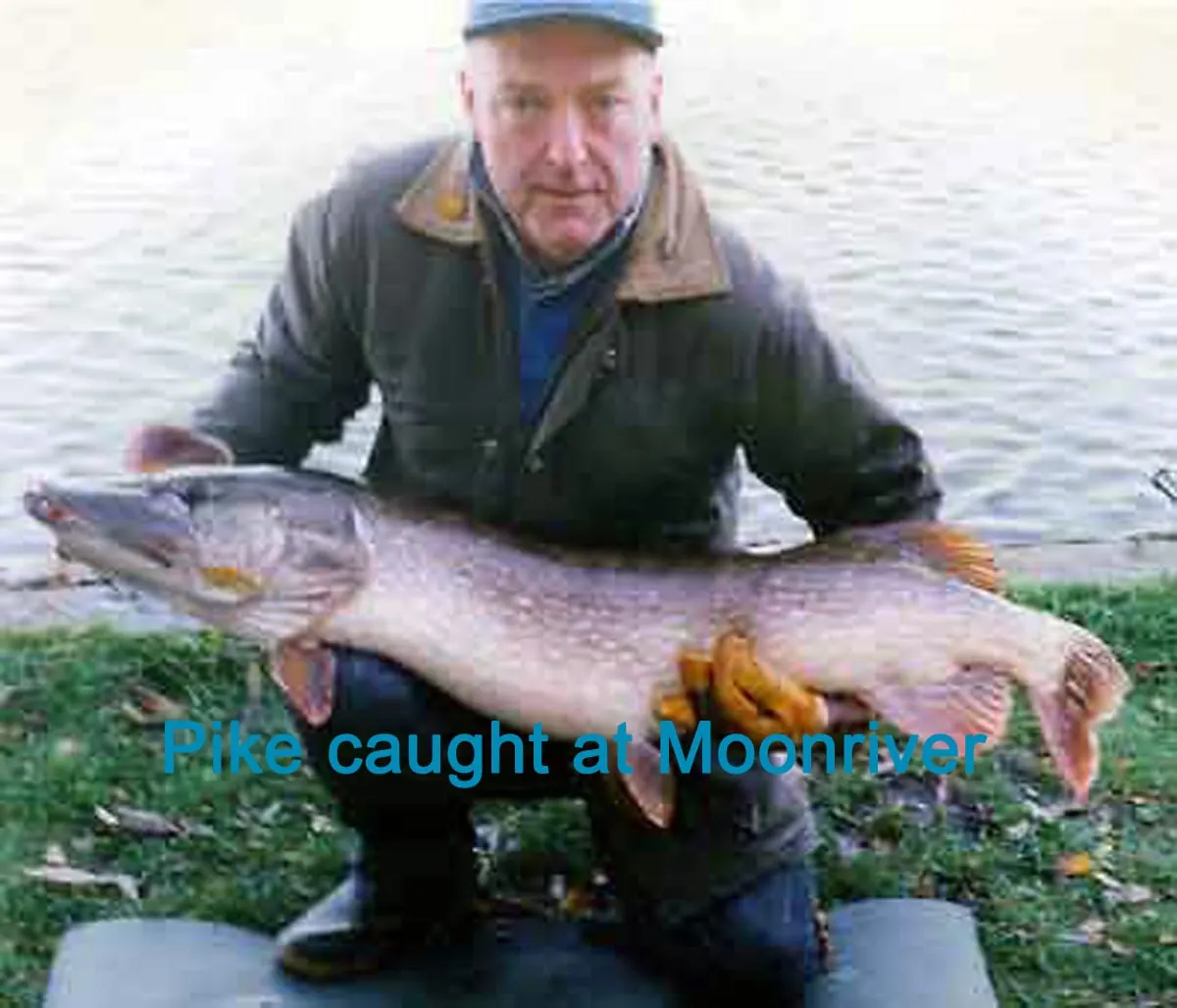
You can catch bream, roach, rudd, pike, perch, ruffe, eels, tench and the very occasional trout from the garden. The best fish from the garden so far include bream of 9 lb plus, pike of 26 lb plus, roach of 2.3 lb and perch of 1.5 lb, and pike of 42 lb and 36 lb have been caught locally. This year anglers have caught 70 lb bags of bream every evening from our garden, which makes the cottage an ideal base for a fishing holiday.
Some of the best fishing is at slack water, the hour when the river stops moving at the peak of high or low tide. This is the very best time to fish, particularly when slack water falls in the evening, because your groundbait stays in the same area as your hook bait. It is a great time for any species, including pike, bream, perch, roach and rudd. Salt water does not reach our section of the river because we are at its headwaters, but the level rises and falls by up to 18 inches, as you will see on the bank piles. More on this under river conditions and tides.
The closest tackle shop is Latham's of Potter Heigham. It is a real tackle paradise, stocking everything from fresh and frozen baits to rods, reels and accessories, and the prices are very good.
Great baits are lobworm, canned sweetcorn and bread flake. Please do not keep your baits inside the cottage: there is a bait fridge in the tackle store in the garden.
Kendal Dyke, White Lees, Martham Floating Bridge Pool, Martham Broad, Hickling Broad, Horsey Broad and other excellent fishing marks are a few minutes away, and all of them feature regularly in the angling press. For other days out, see things to do nearby, and if you enjoy the wildlife between bites, take a look at our birdwatching page.
Catch book
To help visiting anglers, we ask guests to add an entry to the fishing catch book. Reading it when you arrive gives you a head start, because you can see which techniques have worked for each species.
Coarse fishing season on rivers
The close season applies to all flowing waters in the UK: you can fish rivers from 16 June to 14 March inclusive. Still waters and lakes can be fished all year round, subject to the owners' rules.
All-year fishing at Martham Pits
If you want to fish all year round, Martham Pits is at the end of the footpath from Moonriver, or you can drive there. It has a great range of fish, including good-sized carp, and day tickets are available from the local Co-op. There are lots of other lakes in the area with no close season.
Trout fishing season
1 April to 29 October.
Float fishing methods
Float fishing is a simple but very effective method from the garden. The notes below cover choosing floats, then the rigs and baits that work best on the River Thurne.
Float choice essentials
- Waggler: make sure it is straight. Anything bent, or anything that will bend with use, is no good.
- Alloy stem stick: a must for trotting, as it helps stability.
- Paint and varnish: too much of either may look great in the tackle shop display but will reduce performance.
- Colour: very important, but remember that bright colours will not always contrast well with the reflections on the water. Think about different kinds of sunshine reflection and water colour, and which colours will stand out.
- Body thickness: a large bait needs a larger float body, while a light bait calls for a thin-tipped float.
- Adaptor: well worth buying and using. It makes changing floats much quicker, causes less frustration and does less damage to your line during the day.
- Silicone sleeve: cheap, does not damage the line, and makes float changes easy and accurate.
- Wind conditions: when it gets windy, use a full-bodied waggler rather than a thin-tipped one.
- Luminous or chemical tip: great for night fishing.
- Size does matter: in wind, use a long float, as this will help you sink the line.
- Common sense: it is not rocket science, but look in your tackle box before you go, consider the likely conditions and write a list of what you need. Do not buy floats just because they look great in the display case. We all have those in our tackle boxes, and they don't catch fish!
Still water float
Best baits: casters, sweetcorn, maggots
You might think that a stretch of the River Thurne at Martham, one mile upstream from Potter Heigham, would never have still water conditions. In fact it does, twice a day for about an hour each time.
At slack water, around high and low tide, we enjoy not only still water conditions but also some of the best fishing of the day. If you can only fish for one hour, fish slack water at night. The tide does not bring salt water this far up the river, but its movement does affect the flow, and depending on rainfall the river can change from a steady flow to still water for an hour.
For rudd and roach, use a fine-tipped antenna float. Its body shape lets you shot the tip down to the smallest dot, which will show the smallest bite known to man. When setting up your rig, always plumb the depth so that you present the bait just on the bottom once the rig and shot have settled. Be ready to adjust the depth, because in some conditions rudd and bream will take the bait on the drop rather than on the bottom.
As with all fishing, stay flexible, because rudd and roach may change their feeding depth at any time. When the bites slow down, think about what the fish might be doing and change your depth. It takes very little effort and is well worth it.
Don't disturb the shoal: always cast beyond where you think the fish are, then sink the line with your rod tip. When using a new line, drip some washing-up liquid on the spool, as this helps the line sink and also removes chemicals left from manufacture. Floating line is moved by wind, wavelets and floating debris, which causes phantom bites and drags your bait away from the shoal.
Ledgering
Best baits: lobworm, casters, sweetcorn, maggots, trout pellet paste
The bream and tench in the river outside the cottage usually feed on the bottom, so make sure your bait stays there. Otherwise the flow will lift it off the bottom as the water streams past.
- Weight and size: carry a variety of bombs in your tackle box to suit the speed of the flow.
- Locking shot: best avoided. It pinches the line and creates a weak point, which causes most line breakages and lost fish.
- Drennan ring: the recommended way to attach the weight.
Trotting float
Best baits: maggots, casters, sweetcorn, bread
The flowing water of the River Thurne and the other rivers of the Norfolk Broads will help you catch rudd, roach, bream and chub on the trot. The garden is a great spot for trotting, as the flow is just right except at slack water.
An alloy stem stick is a must for trotting, as it helps stability. Normally the buoyant float is pulled along by the current with the shot and hook bait trailing behind it. When you create some drag on the line, this reverses: the hook bait moves downstream first with the float behind it. The bait then presents far better, because it wiggles in the current, and you will also strike more effectively.
Because of the river's bottom, depth, flow speed and width, this is a very effective method here. Space your shot at even intervals between the float and the hook.
River waggler float
Best baits: sweetcorn, casters, maggots, stewed hemp or wheat
This method catches the roach and rudd outside the cottage. When there is little or no wind, set up a straight, large-bodied waggler with the line floating on the surface and the rig below the float set over depth.
Lift method float
Best baits: sweetcorn, bread, paste, casters, maggots
The lift method is well worth perfecting, as it can be very accurate and produce large bags of tench and bream. It works during slack water, when still water conditions last for an hour twice a day.
Set up your rig with all the weight close to the hook and use a small peacock waggler. Picture how the fish feeds: a bream or tench feeding on the bottom has its nose and mouth pointing down (unlike a barbel or similar fish, whose mouth opens parallel to the bottom). When it takes the bait, it lifts the weights near the hook, and the float rises because nothing is holding it down. Strike immediately when using this method.
As we all know, bream and tench do not read fishing manuals, so the float can react in other ways too.
Night fishing
Best baits: lobworm, maggots, trout pellet paste
We recommend night fishing, particularly at slack water as mentioned above.
There is an outdoor power point outside the cottage, but please remember that water and electricity make a dangerous mix and we don't want anyone electrocuted!
A luminous or chemical tip float is a must-have for night fishing. Set the float so that the whole tip can be seen, or your eyes will tire and you will miss bites.
If you fish lobworms at night you will catch eels, so include a swivel buckle in your rig. It stops the line twisting and lets you take one rig off quickly and replace it with another.
Martham Broad and nearby waters
Martham Broad
Martham Broad is less than a mile from Moonriver. Fishing permits for Martham Broad and Horsey Mere are explained on the River Thurne Fisheries website.
River conditions and tides
Tide tables
For a copy of the tide tables for your stay, visit the Norfolk Broads tide report. The river level can vary by up to 18 inches between high and low tide, but no salt water comes as far up the river as Moonriver.
Salt surges
Occasionally a salt surge may occur. This happens when high spring tides, low pressure over the North Sea and a northerly or north-westerly wind coincide, pushing the sea south towards the East Coast and salt water up the river system from Great Yarmouth.
In the 20-plus years that I have owned Moonriver, a salt surge has never reached further upstream than Potter Heigham Bridge, one mile downstream. The Broads Authority Fisheries Officer has told me that a surge has never passed the bridge because the river narrows there and the surge has lost its power by that point. Fortunately Martham is at the top end of the river system.
Fish swim away from a salt surge, and most of them swim upstream to our riverbank and stay, because the water quality is excellent and the insect and food life is ideal. That is one reason the fishing here is so good.
Environment Agency water levels at Potter Heigham
The Environment Agency's live river level monitor shows water levels at Potter Heigham, so you can see if the river is in flood.
If you see signs of fish in distress, please call the Environment Agency hotline on 0800 80 70 60.
Webcam at Potter Heigham
To see the river conditions at Potter Heigham for yourself, look at this live webcam.
Ready to plan your fishing holiday on the Norfolk Broads? Check prices and availability.