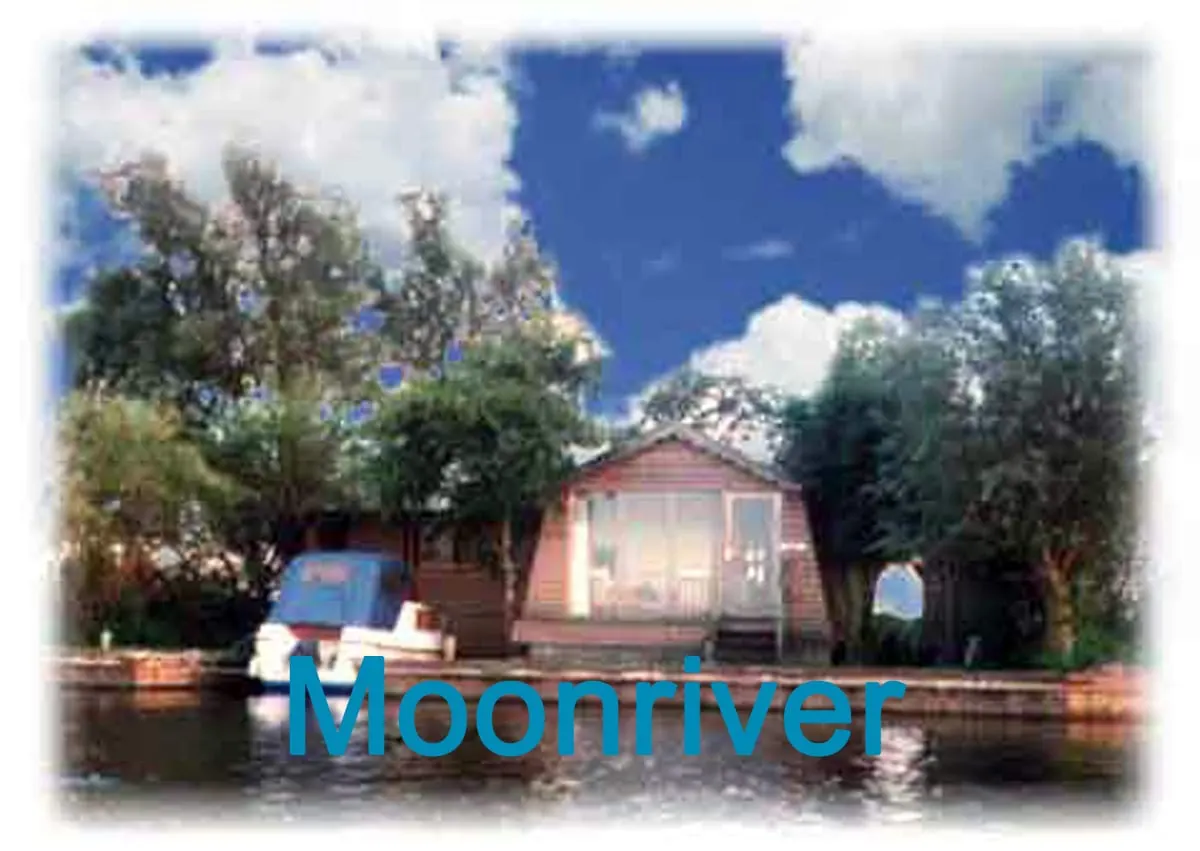
Moonriver sits on the bank of the River Thurne at Martham, in the heart of the Norfolk Broads, and for anyone who loves birds it is a wonderful place to stay. Over the years we have logged more than 40 bird species from the garden alone, and the Norfolk Wildlife Trust's Potter Wetland reserve lies directly across the river. You do not even need to leave the cottage: there is a camera in our nesting box, with the pictures shown on the cottage TV. Here is our guide to birdwatching at Moonriver and nearby.
Birds from the garden
Our guests often tell us about the wildlife they have seen from the garden or the riverbank, so we keep a Bird and Wildlife Log Book at Moonriver. Please add your sightings to help the next guests.
Birds that have been seen from the cottage and the riverbank include:
- Marsh Harrier
- Hen Harrier
- Red Kite
- Kestrel
- Sparrowhawk
- Barn Owl
- Short-eared Owl
- Kingfisher
- Bittern
- Cranes
- Egyptian Geese
- Grebes
- Reed Bunting
Keep an eye out for deer and grass snakes too.
Feeding the garden birds
We have hung several fat ball holders in the willow tree, and you can watch the comings and goings from the lounge. Fat balls and seed are very reasonably priced at Latham's in Potter Heigham, and topping up the feeders during your stay brings in even more birds.
The bird box camera
On the silver birch tree next to the boat dyke we have a nesting box fitted with a colour CCTV camera and sound. The pictures come through on their own channel on the TV inside Moonriver, so during the nesting season you can watch the birds live, 24 hours a day, from the sofa.
The camera works day and night. After dark it uses infrared lights, which do not disturb the nesting birds.
Potter Wetland, opposite the cottage
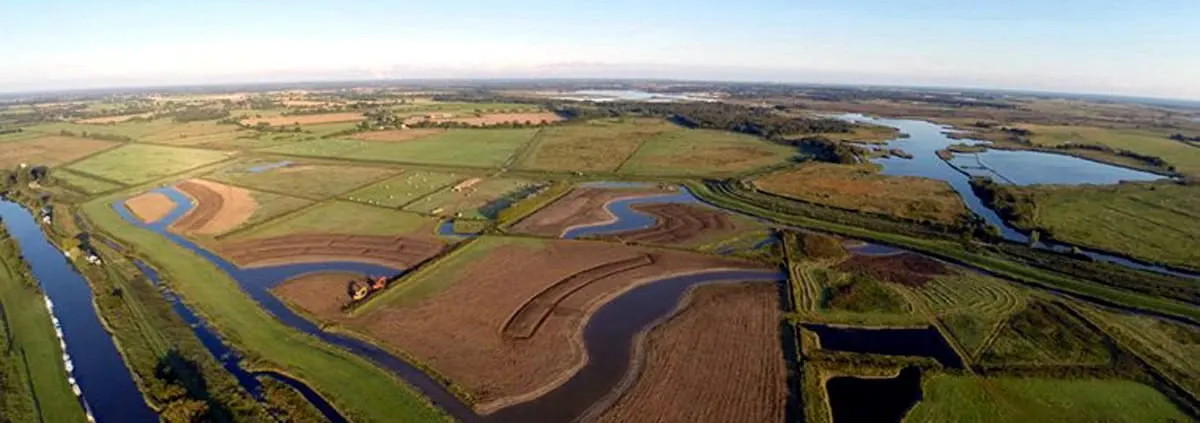
The land on the far bank of the river, between the River Thurne and Candle Dyke near Potter Heigham, has been turned into a wetland nature reserve. Please bring your binoculars, because it is right in front of the cottage.
Why the wetland was created
The project was started by the Environment Agency. Protected reed beds on the East Anglian coast are expected to be lost to rising sea levels and coastal erosion, and this new inland wetland was made to replace that habitat. The Norfolk Wildlife Trust has added 100 acres of wetland here, including 50 acres of reed bed.
How it was built
First a perimeter bank and ditches were dug, with structures to control the water levels. Later, seven areas of deep open water were created, linked to the ditch that runs around the inside of the site. These pools are up to 1.5 metres deep. That is deep enough to stop reeds taking over, so they should stay open for many years, and it gives fish a safe place to live. The fish in turn are food for Bitterns.
More than 40,000 reeds were planted around the seven pools to give Bitterns ideal feeding ground. The young plants were grown from reed seed collected at Hickling, and the reed-filled ditches across the site help the reeds spread as the land becomes wetter.
What to look for
The two main birds the wetland was designed for are Bittern and Marsh Harrier, both of which need reed beds for breeding and feeding. Marsh Harriers already use the site for hunting, and Barn Owls and a Long-eared Owl have been seen there too. The reserve was also expected to attract:
- Bearded Tit
- Water Rail
- Reed Warbler
- Sedge Warbler
- Cetti's Warbler
- Little Egret
Other places to watch birds nearby
Moonriver is a handy base for the wider Broads. Birdwatchers have recorded some lovely sightings at these places, particularly in winter.
Hickling Broad
Hickling Broad is a Norfolk Wildlife Trust reserve, and the reed for the Potter Wetland was grown from Hickling seed. A rare Black-winged Kite has even been seen on and near the reserve.
Martham fields
In winter the farmland around Martham can hold large flocks of Pink-footed Geese, sometimes with White-fronted Geese among them, especially on fields where the sugar beet has just been harvested.
Ludham
The winter wheat fields near Ludham Airfield have held herds of Whooper Swans and Bewick's Swans, a good chance to compare the two side by side. Marsh Harriers have been seen around Ludham Bridge.
Filby Broad and Ormesby Little Broad
These broads are good for winter ducks such as Common Pochard, Tufted Duck, Goldeneye, Gadwall and Shoveler, along with Coot and Great Crested Grebes.
Sea Palling
For a change of scene, the beach at Sea Palling has gulls, Sanderling running along the tideline, and Turnstones, Purple Sandpipers and Oystercatchers on the rocks and sea defences.
For more ideas, have a look at our things to do nearby page.
Tips for birdwatchers staying at Moonriver
- Bring binoculars, and a telescope if you have one. A scope makes a real difference across the wetland.
- Use the log book. Write down what you see, and read what earlier guests have recorded before you head out.
- Stock up on bird food. Pick up fat balls and seed from Latham's in Potter Heigham on your way in.
- Check the bird box channel. During the nesting season, switch the TV over to the camera at different times of day.
- Walk the riverbank. Our guests have spotted plenty on a stroll along the river. Birdwatching also fits easily around a spot of fishing.
- Give birds space. Keep your distance from roosting and feeding birds, and watch field flocks from the roadside.
You can find out more about the Potter Wetland and Hickling Broad on the Norfolk Wildlife Trust website.
If you would like to wake up to Marsh Harriers over the reed beds and a bird box on the TV, take a look at the cottage and check our prices and availability. We look forward to reading your sightings in the log book.